










NFC-Silikonarmband JM11
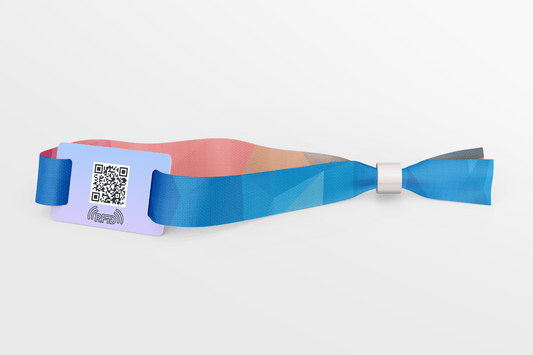
RFID- und QR-Stoffarmbänder mit Farbdruck
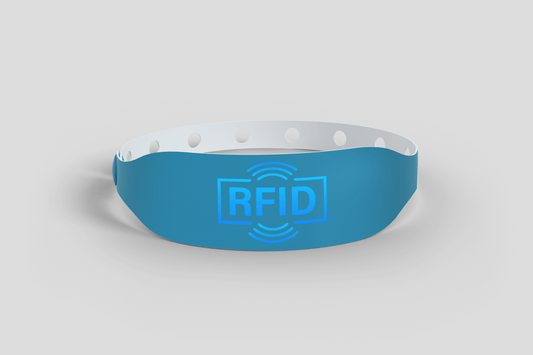
RFID-Vinyl-Armbänder
NFC-Silikonarmband JM13
NFC-Silikonarmband JM13
Auf Lager •
Produktionszeit: 10-18 Tage
• Pro Stück ab
€0,96NFC-Silikonarmband JM11
RFID- und QR-Stoffarmbänder mit Farbdruck
RFID-Vinyl-Armbänder
- Produktionszeit 10-18 Tage
- Preisgarantie-5%
- Praktische Lösung
Produktübersicht
Produktübersicht
NFC-Silikonarmband JM13
Robustes NFC-Silikonarmband für Zutrittskontrolle, Mitgliederidentifikation und kontaktloses Bezahlen.
Das JM13 wurde für Umgebungen mit vielen Nutzern und täglichem Einsatz entwickelt. Das robuste Silikonarmband verbindet Tragekomfort mit einer stabilen NFC-Lösung – so lassen sich Zutritte steuern, Mitglieder registrieren oder Zahlungen bei Events und in Einrichtungen abwickeln.
Eigenschaften
- Material: Robustes und flexibles Silikon für den täglichen Einsatz
- Format / Größe: 157 mm (XS), 167 mm (Kind), 184 mm (Jugendliche), 195 mm (Damen), 206 mm (Herren), 215 mm (XL), 228 mm (XXL)
- Druck / Kennzeichnung: Bedruckbar mit Design, Text, Logo oder QR-Code
- Chip-Optionen: FM1108, MiFare Classic 1K 4B, NTAG 213, MiFare Ultralight EV1
- Produktionszeit: Wird bei Bestellung angegeben und hängt vom gewählten Chip und Druck ab
- Lieferung: Schnelle Lieferung
- Mindestbestellmenge: 50 Stk.
Einsatzbereiche
Geeignet für Schwimmbäder, Fitnessstudios, Schulen, Vereine und Events, die eine stabile Zutrittsverwaltung benötigen.
Warum JM Band®
JM Band® liefert gründlich getestete NFC- und RFID-Lösungen mit hoher Qualität, technischer Erfahrung und schneller Lieferung an Kunden in ganz Europa.


Haben Sie die richtige Menge ausgewählt?
Das Produkt wurde dem Wagen hinzugefügt.
| Produktionszeit | 10-18 Tage |
|---|---|
| Material | Silikon |
| RFID-Chip | FM1108 7B — MiFare Classic® 1K 4B — NTAG 213 — MiFare Ultralight® EV1 |
| Verschlüsse | Ohne Verschluss |
| Personalisierung | |
| Zertifikate |


|
| Materialtyp | Silikon |
|---|---|
| Langlebige Elemente | |
| Reißfestigkeit | 180.0 N |
| Wasserbeständigkeit | Wasserdicht |
| Farbbeständigkeit | 7/8 |
| Komfort | |
| Hypoallergen | Hypoallergenic |
| Flammhemmend | Feuerhemmend |
| Temperaturbeständigkeit | -40 °C bis 150 °C |
| CO2-Bilanz | 0.039 kg CO2e |
| Druckverfahren | Mit farbiger Füllung geprägt |
|---|---|
| Anzahl der Farben | 4 |
| Oberfläche | Glänzend |
| Farbpalette | Pantone® C |
| Kratzfestigkeit | Hoch |
| Haltbarkeit des Drucks | 180 |
| Druckqualität | Standard |
| Spezifikation | FM1108 7B | MiFare Classic® 1K 4B | NTAG 213 | MiFare Ultralight® EV1 |
|---|---|---|---|---|
| Hersteller | Fudan | NXP | NXP | NXP |
| Frequenz | 13.56 MHz | 13.56 MHz | 13.56 MHz | 13.56 MHz |
| ISO/IEC-Norm | ISO/IEC 14443A-3 (MIFARE Classic protocol) | ISO/IEC 14443A-3 (MIFARE Classic protocol) | ISO/IEC 14443A (Type A), NFC Forum Tag Type 2 | ISO/IEC 14443A (Type A) |
| Max. Reichweite | 80.0 mm | 100.0 mm | 50.0 mm | 100.0 mm |
| Speicherkapazität | 1024 bytes | 1024 bytes | 144 bytes | 48,128 bytes |
| UID-Länge | 7 bytes | 4 bytes | 7 bytes | 7 bytes |
| Datenschutz | Crypto-1 proprietäre Verschlüsselung | Crypto-1 proprietäre Verschlüsselung | 32-Bit-Passwortschutz | Keiner |
| Lese-/Schreibzyklen | 100000 | 100000 | 100000 | 100000 |
| Zertifikat 1 | |
|---|---|
| Norm |
AAA-Kreditratingsystem
|
| Ausgestellt von | dun & bradstreet |
| Zertifikatsnummer | JM Band 2025 |
| Gültig bis | 30. Sep 2025 |
| Beschreibung | AAA – Höchste Bonitätsbewertung (2025). Diese Bewertung von Dun & Bradstreet bestätigt die außerordentlich starke Finanzlage des Unternehmens und seine hervorragende Fähigkeit, seinen Zahlungsverpflichtungen nachzukommen. Es handelt sich um die höchste Stufe der Bonitätsbewertung. |
| Zertifikat 2 | |
| Norm |
EU-RoHS-Richtlinie (EU) 2015/863 zur Änderung von Anhang II der Richtlinie 2011/65/EU
|
| Ausgestellt von | SGS-CSTC Standards |
| Zertifikatsnummer | SZXEC23001672701 |
| Beschreibung | RoHS-Konformitätsprüfung für ein orangefarbenes Silikonarmband gemäß EU-RoHS-Richtlinie (EU) 2015/863 (Pb, Cd, Hg, Cr(VI), PBBs, PBDEs, DEHP, BBP, DBP, DIBP). Alle Messwerte liegen unterhalb der zulässigen Grenzwerte; Ergebnis: "Bestanden". |
| Zertifikat 3 | |
| Norm |
ISO 9001:2015
|
| Ausgestellt von | BoA |
| Zertifikatsnummer | 65625Q7176R0Z |
| Gültig bis | 20. Oct 2028 |
| Beschreibung | Zertifizierung des Qualitätsmanagementsystems des Lieferanten durch Dritte nach ISO 9001:2015 gemäß GB/T 19001-2016 / ISO 9001:2015. |
| Zertifikat 4 | |
| Norm |
CE
|
| Beschreibung | Die CE-Kennzeichnung ist eine Erklärung des Herstellers, dass ein Produkt die Gesundheits-, Sicherheits- und Umweltstandards des Europäischen Wirtschaftsraums (EWR) erfüllt und innerhalb dieses Raums frei verkauft werden darf. |
| Typ | |
|---|---|
| Ohne Verschluss | 
|
FAQ
NFC-Silikonarmbänder werden typischerweise für Zutrittskontrolle, Identifikation und kontaktloses Bezahlen genutzt. Das Armband funktioniert als digitaler Schlüssel, der an Lesegeräten oder Terminals gescannt wird – so gelangen Nutzer schnell in bestimmte Bereiche, lassen Mitgliedschaften registrieren oder bezahlen ohne Bargeld und Karte. Besonders beliebt ist diese Lösung in Schwimmbädern, Fitnessstudios, Schulen, auf Festivals und bei Events, wo viele Menschen effizient betreut werden müssen. Ein kurzer Scan genügt – das reduziert Warteschlangen und Verwaltungsaufwand und sorgt für einen reibungsloseren Ablauf für Gäste und Personal.
Das NFC-Silikonarmband JM13 ist mit mehreren Chiptypen lieferbar, passend zum bereits genutzten Zutritts- oder Bezahlsystem. Zu den gängigsten Varianten gehören FM1108, MiFare Classic 1K 7B, NTAG 213 und MiFare Ultralight EV1. Welcher Chip sinnvoll ist, hängt von der Systemkompatibilität und den benötigten Funktionen ab. Einige Chips kommen vor allem in Zutrittskontrollsystemen zum Einsatz, andere eignen sich für einfachere Identifikations- oder Bezahllösungen. Bei JM Band® beraten wir Sie gern bei der Auswahl des richtigen Chips, damit das Armband zuverlässig mit Ihrem bestehenden System zusammenarbeitet.
Ja, das JM13 können Sie mit einem Druck individuell gestalten, sodass das Armband zu Ihrer Marke oder Ihrem Event passt. Logos, Text, Farbcodes oder QR-Codes werden direkt auf das Armband gedruckt – das macht es praktisch und optisch gut erkennbar. Der Druck kann auch eine Funktion übernehmen, etwa zur Unterscheidung von Zutrittsstufen, Mitgliedskategorien oder VIP-Bereichen. So ist das Armband nicht nur ein technisches Hilfsmittel für den Zutritt, sondern auch ein sichtbarer Teil des Auftritts Ihres Events, Ihrer Einrichtung oder Ihrer Organisation.
Ja, NFC-Silikonarmbänder sind für Umgebungen mit vielen Nutzern und häufigem täglichen Gebrauch gemacht. Silikon ist flexibel und robust: Es hält Wasser, Schweiß und wiederholtem Tragen stand, ohne an Komfort oder Funktion zu verlieren. Damit eignet sich das Armband bestens für Schwimmbäder, Fitnessstudios, Wellnessanlagen und Sportstätten, in denen es oft über längere Zeit getragen wird. Gleichzeitig sitzt das Armband sicher am Handgelenk, wodurch das Risiko verlorener Zutrittskarten sinkt – eine praktische Lösung für den Betrieb bei hohem Besucheraufkommen.
-

Festivalbändchen für effektive Zugangskontrolle
Wir haben zufriedene Kunden JM Band® bietet flexible Lösungen für Armbänder für...
-

Wertmarken und Token
Wie Tokens zur Verbesserung der Gästeerfahrung beitragen Tokens können die Gästeerfahrung in...


